
Immunity is more than just a defense against illness; it’s about incorporating functional foods that enhance your overall well-being. As you explore the growing trend of functional foods, you’ll discover how these nutrient-rich options can support your immune system, improve focus, and elevate your mood. By consciously choosing foods designed to benefit your health, you empower yourself to achieve optimal vitality and mental clarity. This post investigates into the benefits of functional foods, helping you make informed dietary choices for a healthier lifestyle.
Understanding Functional Foods
Functional foods have gained popularity as you seek ways to enhance your well-being. These foods go beyond basic nutrition, actively contributing to health and preventing diseases. They include those enriched with beneficial ingredients, offering specific health benefits, and can play a role in boosting immunity, improving mood, and enhancing focus.
Definition and Types
Functional foods are items that provide health benefits beyond basic nutrition. They may be whole foods or fortified products, designed to promote optimal health. Common types include:
- Probiotics in yogurt for gut health
- Omega-3 fatty acids in fish for heart health
- Vitamin D-fortified cereals
- Antioxidants in berries for anti-inflammatory effects
- Fiber-rich grains for digestive health
Any food that improves health outcomes while maintaining necessary nutrients falls into this category.
| Type | Example |
|---|---|
| Probiotics | Yogurt |
| Omega-3s | Salmon |
| Fortified Foods | Orange juice with calcium |
| Whole Grains | Oats |
| Antioxidants | Blueberries |
Historical Context
Understanding the roots of functional foods unveils a rich history of human nutrition practices. The concept has ancient origins, with pre-modern cultures recognizing the health benefits hidden in various foods, like ginger for digestive health or garlic for its antimicrobial properties. The term itself gained traction in the 1980s, driven by scientific advancements and growing interest in holistic health approaches. As you navigate wellness through diet today, the evolution from traditional remedies to contemporary functional foods illustrates society’s shift toward actively seeking foods for improved health outcomes.
This historical journey from traditional food practices to the structured development of functional foods showcases humanity’s knowledge growth and its recognition of food as a tool for well-being. Early herbal remedies laid the groundwork for modern scientific exploration. In the 20th century, research began linking specific nutrients to tangible health benefits, leading to the commercialization of functional food products. As awareness spreads, more individuals incorporate these foods into their diets, seeking to harness their full potential for physical and mental health enhancement.
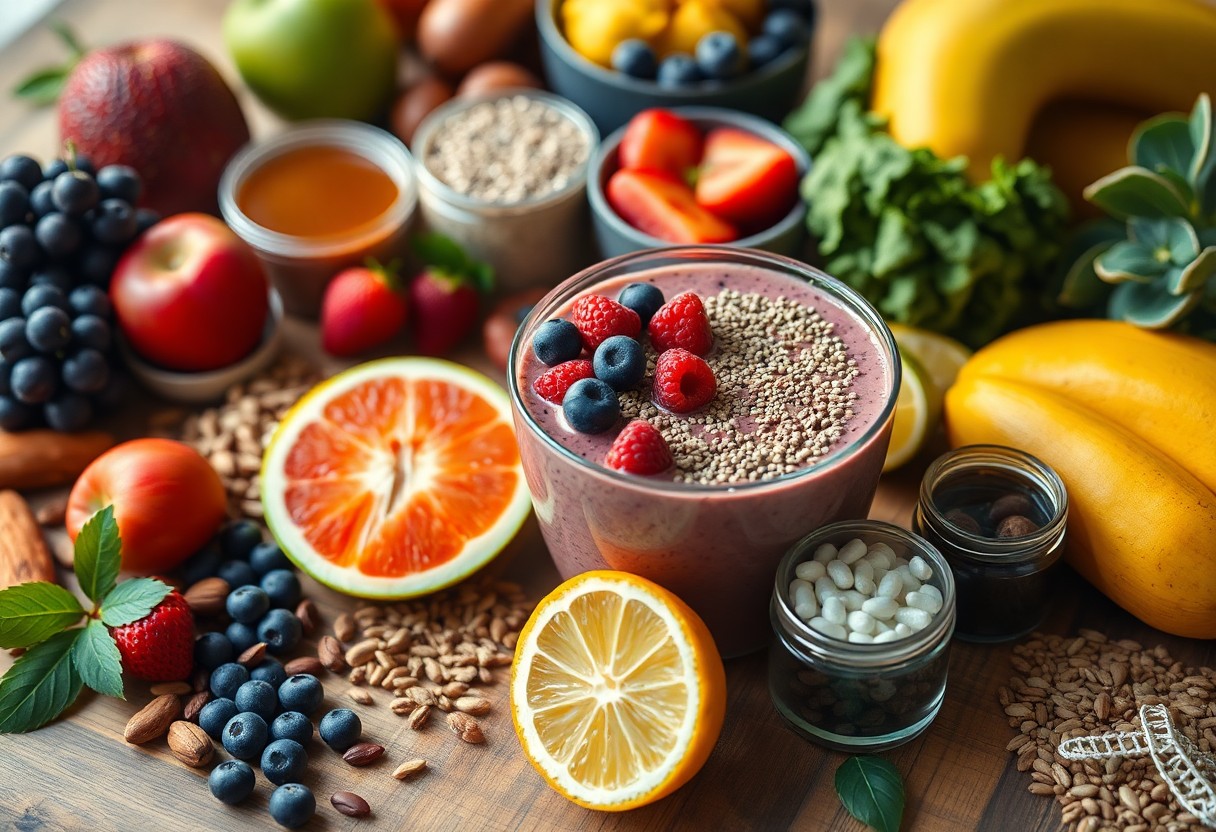
The Role of Functional Foods in Immunity
Functional foods play a significant role in strengthening your immune system, enabling your body to fend off infections and diseases more effectively. These foods are rich in bioactive compounds that offer health benefits beyond basic nutrition. Incorporating functional foods into your diet helps in promoting a robust immune response, imperative for overall health and well-being.
Key Nutrients for Immune Support
Vital nutrients such as vitamins C and D, zinc, probiotics, and antioxidants are fundamental for boosting your immune defenses. Citrus fruits, leafy greens, yogurt, nuts, and garlic should be staples in your diet as they provide these imperative components. Each of these nutrients contributes to different aspects of immune function, enhancing your body’s ability to fight off pathogens.
Evidence from Recent Studies
Recent research underscores the effectiveness of functional foods in enhancing immune response. For example, a study published in the Journal of Nutritional Biochemistry showed that vitamin C can reduce the duration of colds, while probiotics have been linked to lower incidence of respiratory infections in children. These findings highlight how specific nutrients found in functional foods can significantly support immune health.
In one notable study, participants who consumed yogurt containing live probiotic cultures experienced a 25% reduction in the frequency of upper respiratory infections compared to those who did not. Another analysis revealed that individuals with higher vitamin D levels had a lower incidence of influenza during the winter months. Such compelling evidence indicates that integrating functional foods rich in these nutrients into your daily regimen can promote better immune function and overall health.
Enhancing Focus with Functional Foods
Incorporating functional foods into your diet can significantly sharpen your focus and improve your cognitive performance. Certain foods are packed with nutrients that enhance brain function, making them imperative for anyone seeking optimal mental clarity. From antioxidants to healthy fats, these foods work synergistically to elevate your alertness and productivity throughout the day.
Foods that Boost Cognitive Function
Include foods rich in omega-3 fatty acids, like salmon and walnuts, which support brain health and cognitive function. Berries, particularly blueberries, are loaded with antioxidants that improve memory and concentration. Leafy greens such as spinach and kale provide imperative vitamins and minerals, while whole grains supply a steady energy release, keeping your mind sharp and focused.
The Science Behind Focus-Enhancing Ingredients
Key ingredients in functional foods have been shown to directly impact brain functionality and focus. For instance, DHA and EPA, found in fish oil, are critical for maintaining the structural integrity of brain cells. Studies indicate that flavonoids in berries can improve signaling between neurons, boosting memory and cognitive performance. Meanwhile, vitamins from whole grains help regulate blood sugar levels, preventing energy dips that can interfere with mental clarity.
Research highlights the role of specific compounds in enhancing cognitive performance. For example, a study published in the journal “Nutrients” indicated that participants who consumed omega-3-rich diets demonstrated improved attention and reaction times. Furthermore, flavonoids’ neuroprotective properties may help delay the onset of cognitive decline. Integrating a variety of these focus-enhancing foods into your meals can lead to more sustained mental performance, as well as increased overall brain health. This approach can be particularly beneficial for students and professionals seeking to maximize their productivity levels daily.
Mood and Mental Well-being
Your mood and mental health can be profoundly influenced by what you eat. Diet plays a pivotal role in neurotransmitter production, which directly affects mood regulation. Foods rich in omega-3 fatty acids, vitamins, and minerals help create an optimal environment for mental well-being, potentially reducing anxiety and depression symptoms. The link between nutrition and mental health underscores the importance of mindful eating for emotional balance.
The Connection Between Diet and Mood
Functional Foods that Promote Mental Health
Creating a Functional Food Diet
Adopting a functional food diet involves carefully selecting foods that enhance your health and well-being. Focus on incorporating a variety of nutrient-dense foods that support immunity, cognitive function, and mood stability. Whole grains, colorful fruits and vegetables, healthy fats, and lean proteins can form the foundation of your meals. Explore diverse cooking methods and flavors to keep your meals exciting while maximizing the benefits of these functional ingredients.
Practical Tips for Incorporation
To seamlessly integrate functional foods into your diet, consider these practical strategies:
- Start each meal with a serving of vegetables.
- Use spices like turmeric and ginger to boost flavor and health benefits.
- Opt for whole grains over refined grains.
- Include a source of protein in every meal.
- Experiment with smoothies using leafy greens and fruits.
Assume that small, consistent changes will lead to significant long-term benefits.
Sample Meal Plans
Creating sample meal plans can simplify the transition to a functional food diet. Breakfast could include a smoothie packed with spinach, banana, and almond milk, while lunch might feature a quinoa salad with mixed vegetables and a lemon-tahini dressing. Dinner could highlight a grilled salmon fillet with a side of roasted sweet potatoes and steamed broccoli. Snacking on nuts, seeds, or yogurt between meals can further enhance nutrient intake. Customizing these meal ideas based on personal preferences and seasonal ingredients can make your functional food journey enjoyable and sustainable.
Future Trends in Functional Foods
Anticipation surrounds the future of functional foods as innovations continue to emerge. You can expect to see a surge in personalized nutrition driven by advancements in biotechnology that customize food products to meet individual health needs, paving the way for targeted dietary interventions that enhance immunity, cognitive function, and mood stabilization.
Emerging Research and Innovations
Ongoing studies reveal groundbreaking insights into the bioactive compounds in functional foods. Research into microbiome impact on overall health is particularly promising, as scientists explore how prebiotics and probiotics can optimize gut health, which in turn supports immunity and mood enhancement.
Changing Consumer Preferences
Consumer shifts towards healthier, functional options are evident in today’s market. Statistics show that 77% of consumers prioritize health benefits in their food choices, with plant-based ingredients gaining significant traction. You increasingly seek transparency, favoring brands that emphasize clean labels and scientifically backed health claims.
This demand for transparency influences purchasing decisions, with 70% of consumers expressing interest in foods that explicitly state their health benefits. You tend to favor products with fewer artificial additives and those that highlight sustainable sourcing. The rise of social media has further amplified the trend; influencers and health advocates drive interest in innovative superfoods and supplements. As awareness concerning mental health grows, there’s a notable spike in interest around foods that support cognitive function, pointing to a market poised for evolution driven by informed consumers seeking holistic solutions.
Final Words
Hence, as you navigate the evolving landscape of functional foods, understanding their potential to boost your immunity, enhance your focus, and improve your mood can significantly impact your overall well-being. By making informed choices about what you consume, you empower yourself to harness the benefits of these nutrient-rich foods, tailoring your diet to support your health goals. Embracing this knowledge positions you to thrive in a world where food is not just sustenance but a cornerstone of your holistic health journey.