
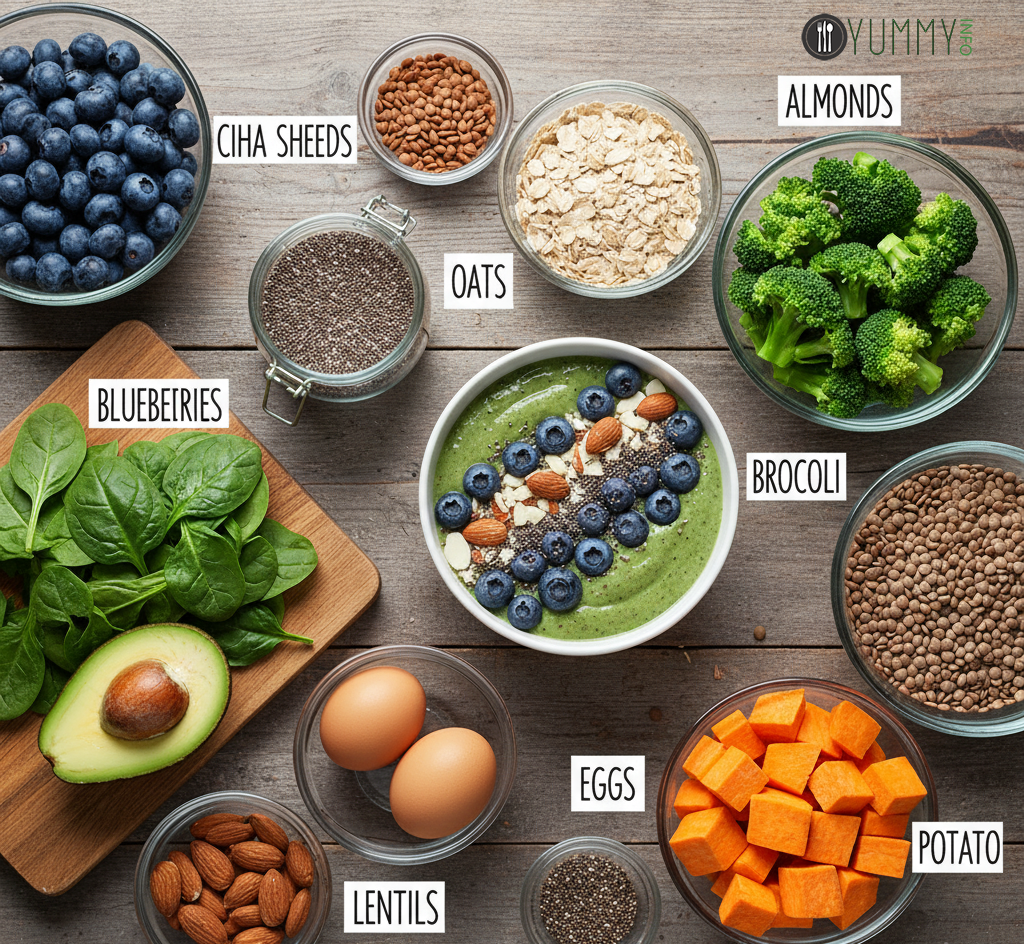
Many people seek to enhance their diets with superfoods, but can be concerned about the cost. Fortunately, you can easily incorporate nutrient-rich options into your meals without straining your budget. This post highlights affordable superfoods that can elevate your nutrition without sacrificing taste or your wallet. For more ideas, check out these 9 superfoods that won’t break the bank to start enriching your meals today.
What Are Superfoods?
Definition and Benefits
Superfoods refer to nutrient-rich foods that offer substantial health benefits due to their high levels of vitamins, minerals, and antioxidants. Incorporating superfoods into your diet can enhance your overall well-being, boost your immune system, and reduce the risk of chronic diseases. Examples include kale, blueberries, and quinoa, each packed with unique properties that support different aspects of health, from heart health to improved digestion.
Common Misconceptions
Many believe that superfoods are exotic, expensive ingredients only available at specialty stores, but this is misleading. While some superfoods like spirulina and acai may carry high price tags, there are plenty of affordable options available in your local supermarket. Additionally, the term “superfood” is often oversimplified; it doesn’t imply that these foods are magical cures. Rather, they should complement a balanced diet.
Superfoods represent a marketing term that can cause confusion about what constitutes a healthy diet. For instance, staples like whole grains, beans, and leafy greens offer incredible health benefits but may not be labeled as superfoods. You can easily incorporate these affordable, everyday foods into your meals to maximize nutrition without the need for trendy, pricey options. Additionally, the idea that you must consume a wide variety of superfoods in every meal to be healthy is another misconception; a few nutrient-dense choices can effectively boost your overall nutrient intake.
Affordable Superfoods to Incorporate
Incorporating affordable superfoods into your meals can enhance your nutrition without straining your budget. With options like legumes, grains, and seasonal produce, it’s easy to add variety and health benefits to your diet. These foods not only pack a nutrient punch but also offer versatility for various recipes, making healthy eating both accessible and enjoyable.
Legumes
Legumes such as lentils, chickpeas, and black beans are among the most affordable superfoods available. They are rich in protein, fiber, and important vitamins, making them a filling addition to salads, soups, and stews. A single pound of dried legumes can provide numerous servings, offering great value for your health and wallet.
Grains
Whole grains like quinoa, brown rice, and barley serve as fantastic superfood options that are both economical and nutritious. These grains are high in fiber, which can aid digestion and keep you feeling satisfied longer. Swapping out refined grains for whole grains can significantly boost your nutrient intake without exceeding your budget.
Whole grains not only offer a wealth of nutrients, including B vitamins, iron, and antioxidants, but they also provide slow-releasing energy, making them ideal for sustained energy throughout the day. Adding grains to your meals is straightforward; consider making a grain bowl topped with vegetabes and a protein source, or use them as a base for various dishes like stir-fries and casseroles.
Seasonal Fruits and Vegetables
Seasonal fruits and vegetables are not only fresher but also often less expensive due to local abundance. Incorporating these into your meals can elevate flavors and provide necessary vitamins and minerals. Shopping for seasonal produce means you can enjoy a variety of tastes while supporting local farmers and the environment.
Choosing seasonal fruits and vegetables can lead to a richer, more varied diet. For instance, in summer, you might enjoy berries and tomatoes, while fall brings squashes and apples. These vibrant options can be easily added to smoothies, salads, or stir-fries, enhancing both nutrition and taste while keeping costs low. Planning meals around what’s in season allows you to enjoy the freshest flavors available while maximizing your budget.
Cooking Tips for Superfoods
Incorporating superfoods into your meals can be both budget-friendly and delicious with a few handy cooking tips. Start by buying seasonal produce, which is generally more affordable and fresh. Batch-cook grains and legumes so you can easily mix them into various dishes throughout the week. Experiment with different cooking methods like steaming or roasting to unlock unique flavors while retaining nutrients. Add herbs and spices to enhance taste without extra calories or costs. Any creative exploring can turn even simple meals into nutritional powerhouses. For more inspiration, check out 20 Budget-Friendly Superfoods.
Easy Meal Prep Ideas
Meal prep is an efficient way to ensure superfoods are a staple in your diet. Cook large batches of quinoa or brown rice to use as a base for bowls throughout the week. Pre-chop vegetables and store them in airtight containers for quick stir-fries or salads. Consider preparing overnight oats with chia seeds and berries for a nutritious breakfast ready in minutes. Portioning snacks like nuts or edamame can help curb unhealthy cravings while still providing your body with important nutrients.
How to Enhance Flavor
Flavor enhancement goes beyond just adding salt or sugar. Use acidic ingredients like lemon juice or vinegar to brighten dishes, complementing the natural flavors of superfoods. Incorporate umami-rich foods such as mushrooms, fermented products like kimchi, or nutritional yeast for depth. Fresh herbs, garlic, and ginger not only amplify taste but also introduce additional health benefits. A blend of spices can make all the difference, turning your meal into a culinary adventure.
Experimenting with flavors opens up a world of culinary possibilities. For instance, blending superfoods into smoothies with fruits masks any bitterness while delivering a nutrient-packed drink. Infusing oils with garlic or herbs can elevate a simple sautéed vegetable dish. Adjusting seasoning throughout the cooking process allows you to find the balance that pleases your palate. Mixing textures—crunchy seeds or creamy avocado—provides satisfying contrast while keeping meals exciting and flavorful.
Superfood Combinations
Pairing for Nutritional Boost
Combining different superfoods can elevate their health benefits, creating a powerhouse of nutrients in your meals. For instance, pairing leafy greens like kale with vitamin C-rich foods such as bell peppers enhances iron absorption. Similarly, adding avocados to a salad not only boosts healthy fats but also aids in the absorption of fat-soluble vitamins from other ingredients. These combinations maximize your dietary intake without complicating your cooking routine.
Creative Recipe Ideas
Superfood combinations lend themselves to a variety of creative recipes that are both delicious and nutritious. You might blend spinach and banana into a smoothie for a quick breakfast or toss quinoa with black beans, corn, and lime for a vibrant side dish. Another option is to create a hearty grain bowl featuring farro, roasted vegetables, and a tahini dressing. These ideas allow you to experiment with flavors while reaping the health benefits of superfoods.
To further inspire your kitchen creativity, consider prepping an overnight oats recipe that layers rolled oats with chia seeds, almond milk, and berries for a nutrient-dense breakfast. Another flavorful dish could be a stir-fry that combines bok choy, garlic, and ginger with tofu, offering protein and antioxidants. Creating a superfood-packed dip with blended chickpeas, spinach, and Greek yogurt can serve as a healthy snack. By exploring these recipes, you’ll find that incorporating superfoods into your daily meals doesn’t have to be repetitive or expensive—it can be an exciting culinary adventure.
Budget-Friendly Shopping Tips
Strategically shopping for superfoods can help you integrate nutritious options into your meals without overspending.
- Plan your meals around sales and discounts.
- Utilize coupons and loyalty programs at local stores.
- Stick to a shopping list to avoid impulse buys.
- Purchase store-brand products for savings.
The right approach can keep your grocery bill manageable while still allowing for nutritious choices.
Choosing Local and Seasonal
Incorporating local and seasonal foods into your diet not only supports local farmers but often comes at a lower price. Seasonal produce tends to be fresher and more flavorful, enhancing your meals and saving you money. Look for farmer’s markets or community-supported agriculture (CSA) programs in your area to find fresh, budget-friendly options.
Buying in Bulk
Buying in bulk can significantly reduce the cost per unit of superfoods like grains, nuts, and legumes. Many health food stores and warehouse clubs offer bulk sections where you can fill up containers with just the amount you need, preventing waste and allowing for cost savings. Additionally, purchasing larger quantities often means purchasing items at a discount.
Bulk buying is particularly effective for long-lasting superfoods like quinoa or chia seeds. These items can be stored for extended periods without spoiling, so stocking up during a sale can turn into serious savings over time. Consider splitting bulk purchases with friends or family to diversify your options while still enjoying lower prices. The flexibility and personalization when buying in bulk can make superfoods more accessible and affordable in your daily diet.
Frequently Asked Questions
Are Superfoods Really Worth It?
Superfoods bring a unique array of nutrients that can enhance your overall health. They often contain higher levels of vitamins, minerals, and antioxidants compared to regular foods, making them a beneficial investment in your diet. Many of these foods help reduce the risk of chronic diseases and can improve vitality. Including superfoods in your meals means you’re taking proactive steps toward better health without feeling overwhelmed by drastic changes.
How Much Should I Consume?
Incorporating superfoods into your daily routine can be simple and effective. Aim for at least one serving per meal. For instance, a handful of berries in your breakfast, a cup of leafy greens with lunch, and a sprinkle of nuts or seeds at dinner can significantly elevate your nutrient intake. Adjust these portions according to your dietary needs, activity level, and health goals for optimal benefits.
Start with a variety of superfoods to avoid monotony and ensure a broad spectrum of nutrients. Consuming around 1-2 servings of various superfoods per day is often effective. A tablespoon of chia seeds, a cup of kale, or half an avocado can all count toward that target. Monitor how your body responds and adjust as necessary, since everyone’s nutritional needs differ based on individual circumstances and goals.
Final Words
Ultimately, incorporating affordable superfoods into your meals can significantly enhance your nutrition without straining your budget. By choosing versatile options like beans, kale, and oats, you can easily increase the health benefits of your diet. For a detailed list of options, check out 14 superfoods to add to your diet, and start transforming your meals today. Embrace the variety and reap the benefits of these nutrient-packed foods in your everyday cooking.