
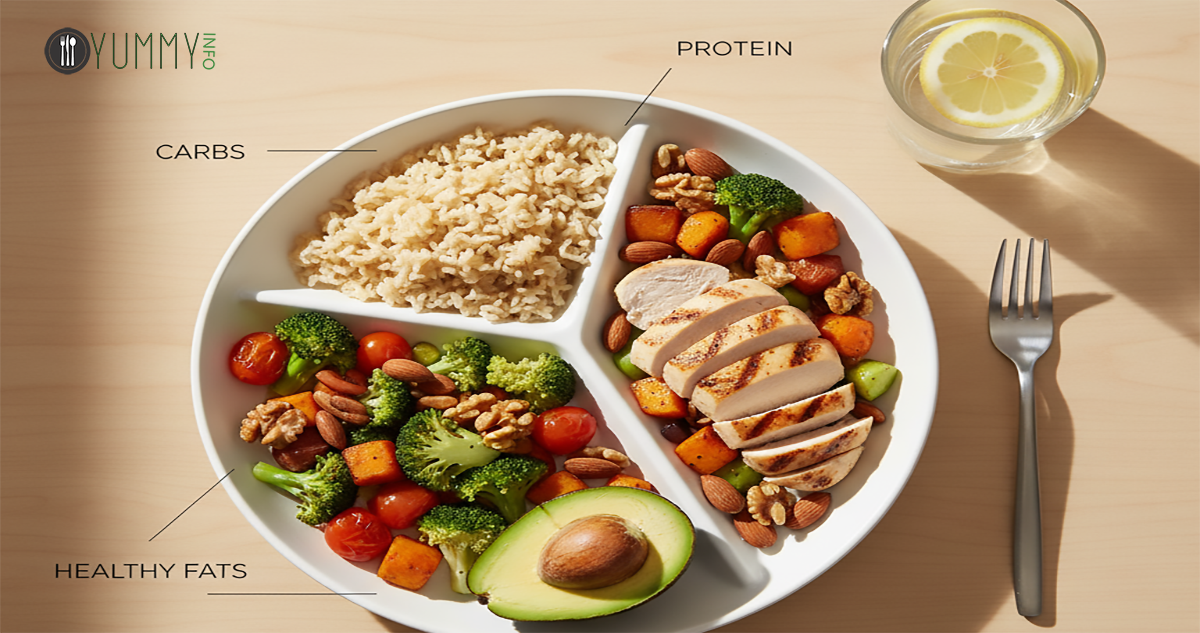
Many people struggle with maintaining energy levels throughout the day, often due to unbalanced diets. By understanding how to effectively balance carbohydrates, protein, and fat, you can fuel your body for optimal performance. This guide will help you identify the right proportions of these macronutrients to improve your energy and keep you focused. With practical tips and insights, you’ll learn how to create meals that sustain your energy levels and support your overall well-being.
Understanding Macronutrients
Balancing carbohydrates, protein, and fats is important for sustaining energy levels throughout the day. Each macronutrient plays a unique role in your diet, influencing everything from metabolic health to muscle maintenance. Knowing how to optimize your intake can significantly enhance physical performance and overall well-being.
What are Carbohydrates?
Carbohydrates are your body’s primary energy source, breaking down into glucose to fuel daily activities. They are classified into simple carbohydrates, such as sugars, and complex carbohydrates, like whole grains and vegetables, which provide sustained energy due to their fiber content.
The Role of Protein
Protein is vital for muscle repair and growth, serving as the building blocks for tissues and enzymes. Adequate protein intake can enhance recovery after workouts and support immune function, making it a key player in maintaining overall health.
Incorporating protein into your meals can stabilize blood sugar levels and reduce hunger. Sources like lean meats, fish, beans, and legumes provide important amino acids that your body cannot produce on its own. Aim for a protein intake of about 10-35% of your daily calories, tailoring it to your activity level and specific needs.
Importance of Healthy Fats
Healthy fats serve as a concentrated energy source, supporting cellular function and hormone production. They are important for absorbing fat-soluble vitamins A, D, E, and K, contributing to optimal health.
Including sources of healthy fats, such as avocados, nuts, seeds, and olive oil, can significantly impact heart health and help reduce inflammation. Aim for fats to comprise 20-35% of your total caloric intake, ensuring you choose unsaturated fats over saturated and trans fats for the best health outcomes. These fats not only provide energy but also promote satiety, keeping you full longer and aiding in weight management.
Factors to Consider for Energy Balance
Achieving optimal energy balance hinges on multiple factors, each playing a vital role in how your body utilizes nutrients. Key considerations include your age, weight, metabolism, and specific dietary goals. Additionally, individual preferences and food tolerances can influence your choices. To optimize your energy levels, assess the following:
- Your basal metabolic rate (BMR)
- Daily caloric needs
- Overall lifestyle habits
- Macronutrient ratios for your goals
Knowing these factors allows for tailored adjustments to your diet and energy intake.
Individual Energy Needs
Each person has unique energy requirements shaped by genetics, lifestyle, and health conditions. For instance, a sedentary individual may need around 1,800–2,200 calories daily, while an athlete might require 3,000 calories or more. Assessing your specific needs provides clarity on how to distribute carbs, protein, and fats in your diet, ensuring your body gets adequate fuel to perform at its best.
Activity Level Considerations
Your activity level significantly impacts your caloric and macronutrient needs. Higher levels of physical exertion increase your energy demands, necessitating more carbohydrates for glycogen replenishment and protein for muscle repair. Conversely, sedentary lifestyles may require lower carbohydrate intake while focusing on moderate protein and healthy fat sources. Understanding how your daily activities translate into nutrient needs is necessary for sustaining energy throughout the day.
For instance, a regular runner might need a higher carb intake pre- and post-workout to maintain energy levels and recovery. A strength trainer might prioritize protein intake to support muscle synthesis and repair. Active individuals should also consider frequency, intensity, and duration of exercise when planning their meals, leading to a more informed and effective dietary strategy. Balancing these elements will help you achieve consistent energy throughout your day.
How to Calculate Your Macronutrient Ratio
Determining your macronutrient ratio involves understanding your dietary needs based on factors like age, sex, activity level, and specific health objectives. To read more about this topic, you can check out Nutrition: Macronutrient Intake, Imbalances, and Interventions.
Step-by-Step Calculation
Follow these steps to accurately calculate your ideal macronutrient ratio:
Steps to Calculate Macronutrient Ratio
| 1. Determine Daily Caloric Needs | Use a Total Daily Energy Expenditure (TDEE) calculator. |
| 2. Set Macronutrient Goals | Choose your desired percentage of carbs, protein, and fats. |
| 3. Convert to Grams | Divide each calorie percentage by 4 for carbs and protein, and 9 for fats. |
Adjusting Ratios Based on Goals
Adjusting your macronutrient ratios relies on specific fitness or health goals. For instance, if weight loss is your goal, a higher protein intake between 25-30% may promote satiety and preserve muscle mass. Conversely, endurance athletes often require more carbohydrates to support prolonged energy expenditure, typically around 55-65%.
Fine-tuning your macronutrient intake involves periodic assessments based on your progress. If you are not achieving expected results, reconsider your calorie intake and activity levels. For gaining muscle, prioritize protein intake to support new tissue growth. For fat loss, slight reductions in carbs while maintaining healthy fats can optimize your body’s energy use.
Tips for Meal Planning
- Plan your meals for the week to ensure balanced nutrition.
- Incorporate a variety of foods to cover all macronutrients.
- Prep meals in advance to save time and adhere to your plan.
- Use portion control to maintain your targeted macronutrient ratio.
- Keep healthy staples on hand for quick assembly.
This strategy enhances your likelihood of sustained energy throughout your day.
Balanced Meal Ideas
Start your meals with a mix of lean proteins, whole grains, and healthy fats. Consider dishes like grilled chicken with quinoa and avocado, or a chickpea salad featuring olive oil and a variety of colorful vegetables. These combinations not only satisfy hunger but also provide the important nutrients needed for optimal energy levels.
Snacks for Sustained Energy
Opt for snacks that combine protein, carbohydrates, and fats to keep your energy levels steady. Try Greek yogurt paired with berries and a sprinkle of nuts, or whole-grain toast topped with nut butter and banana. These combinations can prevent spikes and crashes in your energy, allowing for longer periods of focus and productivity.
Snacks like hummus with vegetable sticks or a handful of mixed nuts offer sustained energy. Focus on nutrient-dense choices like energy bars made from oats, seeds, and dried fruit to fuel activity effectively. Aim for snacks that are easy to prepare and pack, ensuring you have healthy options available even on busy days. This consistency in your snacking routine will contribute to overall energy management throughout the day.
Monitoring Your Progress
Regularly tracking your nutritional intake and energy levels helps you stay aligned with your goals. Utilize apps or journals to log what you eat and how it affects your energy throughout the day. Exploring guidelines such as The Do’s and Don’ts of Eating for Energy can provide valuable insights on maintaining balance while monitoring your progress.
Tracking Energy Levels
Staying attuned to your energy fluctuations allows you to identify patterns related to your macronutrient intake. Pay attention to how you feel after meals, noting any sustained highs and lows. This information can be critical for refining your diet to better suit your energy needs.
Adjustments Based on Feedback
Feedback from your body is a key component in optimizing your nutrition strategy. If you notice consistent energy dips, consider modifying your macronutrient ratios or meal timings. Small changes in the types and amounts of carbohydrates, proteins, and fats consumed can lead to significant improvements in how you feel throughout the day.
Analyze your food logs for trends—perhaps you feel sluggish after high-carb meals or energized with a higher protein intake. Tailor your approach based on these insights; for example, if your energy peaks after a balanced breakfast, aim to replicate that meal structure on busy mornings. Testing different meal combinations and timing can help you fine-tune your diet for sustained energy and productivity, empowering you to make informed dietary decisions. Consistent tracking and adjustments will lead to a personalized nutrition plan that effectively supports your energy needs.
Overcoming Common Challenges
Common challenges often hinder your ability to maintain balanced nutrition. For instance, hectic schedules can lead to poor food choices or skipping meals altogether. Strategies such as meal prepping and keeping healthy snacks readily available can help mitigate these issues. Also, consult resources such as Carbohydrates, Proteins, and Fats – Disorders of Nutrition for more in-depth insights.
Dealing with Cravings
Cravings can derail your nutrition goals, making it difficult to stick to balanced meals. Combat these urges by identifying the underlying triggers, such as emotional stress or dietary deficiencies. Opt for healthier alternatives, like choosing fruit instead of sugary snacks, or planning a balanced meal when cravings hit.
Staying Consistent
Consistency in dietary habits fosters long-term energy and overall health. Keep a food diary to track your meals and macronutrient intake, making it easier to identify patterns and areas for improvement. Incorporating diversity in your meals prevents boredom, ensuring that you remain engaged and satisfied.
Setting specific, achievable goals also plays a vital role in maintaining consistency. Establish small milestones, like cooking a new recipe once a week or gradually increasing your protein intake. Regularly review your progress and adjust your plan as needed, ensuring that each adjustment aligns with your overall nutritional objectives. Consistency builds trust in your dietary strategies, leading to more sustainable energy and health results.
Summing up
With these considerations, you can effectively balance carbs, protein, and fat to maintain sustained energy throughout your day. Focus on integrating complex carbohydrates for immediate energy, alongside proteins for muscle repair and healthy fats for satiety. Aim for a balanced plate at each meal, incorporating a variety of whole foods to meet your nutritional needs. By being mindful of portion sizes and macronutrient ratios, you can optimize your energy levels and enhance your overall performance in daily activities.