
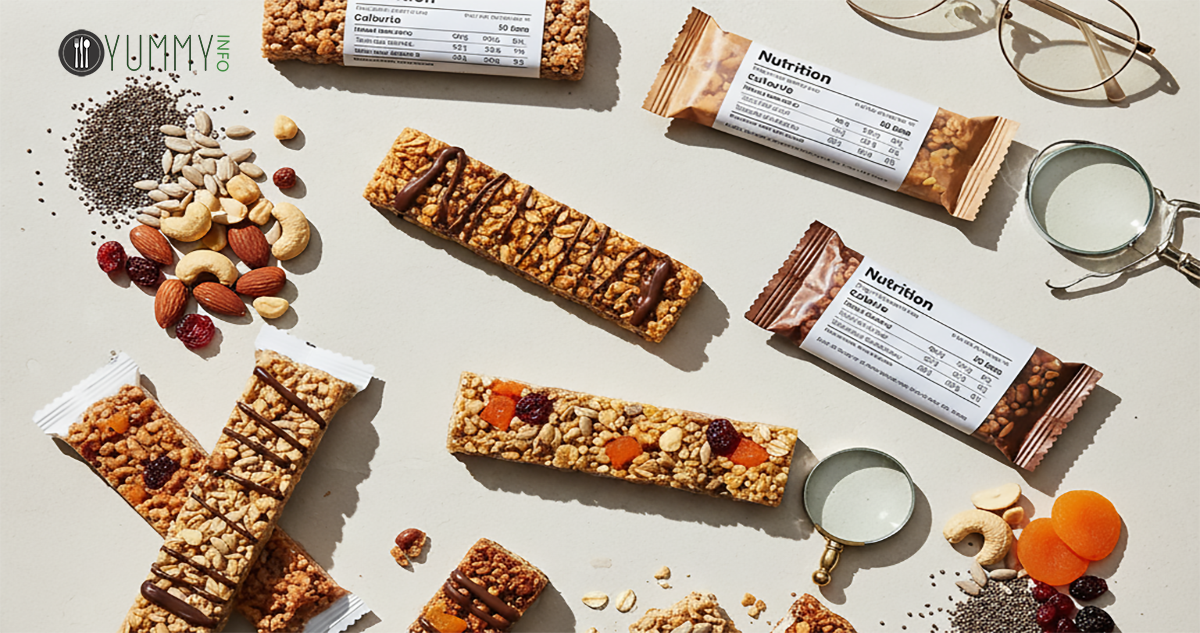
Many consumers mistakenly believe that all snack bars labeled as “healthy” are good for their diet, but not all options are created equal. Understanding the nutritional content and ingredients in snack bars can empower you to make informed choices that align with your health goals. Look for bars with whole, recognizable ingredients, balanced macronutrients, and minimal added sugars. For deeper insights, check out Are Protein Bars Good for You? 9 Myths, Busted.
Understanding Nutrition Labels
Navigating nutrition labels can be complex, but mastering them is vital for making informed choices about snack bars. Start by examining serving sizes, as they often differ from how much you might actually eat. A bar labeled as “healthy” may contain more calories or sugar per serving than expected. Pay attention to recommended daily values to understand how each bar fits into your overall diet, particularly if you’re watching your calorie intake or specific nutrients.
Ingredient Lists
The ingredient list is one of the best indicators of a snack bar’s healthfulness. Ingredients are listed in descending order by weight, meaning the first few ingredients should ideally be whole, recognizable foods. If you see sugar, artificial additives, or highly processed ingredients at the top, consider that a red flag. Look for bars with nuts, seeds, and whole grains as primary ingredients for a more nutritious choice.
Nutritional Values
Nutritional values reveal crucial information about the bar’s macronutrient composition. Focus on the amounts of protein, fiber, and sugars per serving. A bar with at least 5 grams of protein and 3 grams of fiber will be more satisfying and can help curb hunger. Also, scrutinize the total sugars; bars should ideally contain less than 10 grams of added sugars to truly qualify as a healthy snack.
Understanding nutritional values extends beyond just protein and fiber. For example, some bars may advertise low sugar levels, yet their high calories could suggest that they are more indulgent than healthy. Comparing the amounts of saturated fat and the presence of added sugars will provide deeper insights into how the snack bar fits into your dietary goals. Always evaluate how the total calories align with your daily needs, especially if you are managing weight or specific health conditions.
Common Misconceptions About Snack Bars
Many individuals assume that all snack bars marketed as “healthy” indeed fit the bill, often overlooking ingredients and nutritional content. Labels can be misleading; for instance, bars high in sugars or saturated fats may still sport a health-centric label. To navigate this minefield, you need to educate yourself and scrutinize what’s inside. For deeper insights, check out The Best and Worst Energy Bars.
“Low Sugar” vs. “No Sugar Added”
“Low sugar” bars may still contain high amounts of sugar alcohols or artificial sweeteners, while “no sugar added” products can be filled with natural sugars from fruits, impacting your health goals differently. Understanding these terms helps you avoid hidden sugars that can disrupt your dietary plans.
The Role of Fiber
Fiber is crucial for digestive health, and many snack bars use it as a selling point. However, the source of fiber matters; whole food fibers, like those from oats or nuts, provide more benefits than isolated fibers, which may have little effect on satiety and overall health.
Incorporating fiber into your diet can aid digestion, stabilize blood sugar levels, and keep you feeling full longer. Many bars tout fiber content, but it’s vital to assess whether it comes from whole ingredients or is artificially added. Aim for bars with at least 3-5 grams of fiber from wholesome sources, as this enhances the nutritional value and supports better health outcomes in your snacking choices.
What to Look For in a Healthy Snack Bar
Choosing a healthy snack bar requires an eye for details. Always scrutinize the nutritional label for transparency regarding ingredients and macronutrient ratios. Look for high-quality, whole-food ingredients and avoid those laden with added sugars and artificial additives. Understanding the balance of nutrients will help ensure that the snack bar not only keeps you satisfied but also nourishes your body effectively.
Quality Ingredients
Quality ingredients set the foundation for a truly healthy snack bar. Look for bars made with whole foods, such as nuts, seeds, and whole grains, rather than processed fillers. The fewer the ingredients, the better; prioritize those that you can easily recognize and pronounce. This approach often indicates a less processed product that retains the nutritional value of its components.
Balanced Macronutrients
A well-rounded snack bar should deliver a balance of carbohydrates, protein, and healthy fats. This equilibrium can keep you full and energized longer, preventing crashes that can come from high-sugar snacks. Aim for snack bars that contain around 10-15 grams of protein, under 10 grams of sugar, and healthy fats from sources like nut butters or seeds to support your overall nutritional needs.
Balanced macronutrients play a vital role in maintaining your energy levels and keeping hunger at bay. A combination of carbohydrates provides quick energy, while protein aids muscle repair and satiety, and healthy fats offer sustained fuel. For example, a snack bar with 15 grams of protein, 5 grams of sugar, and healthy fats may serve as a versatile option pre- or post-workout, ensuring you have sufficient energy without unnecessary spikes in blood sugar. Prioritizing this balance in your choice can lead to better overall health and sustained energy throughout your day.
Popular Brands Reviewed
Many snack bars flood the market, claiming to be healthy options. Choosing the right one requires scrutiny of ingredients and nutritional value. For insights into what makes the most healthy snack bar, explore What Makes the Most Healthy Snack Bar? 5 Ingredients to Look ….
Comparisons of Leading Brands
Understanding the differences among popular brands can help you make informed choices. Below is a snapshot of key nutritional aspects:
| Brand A | High protein, low sugar |
| Brand B | Natural ingredients, no artificial additives |
| Brand C | Low-calorie, high fiber |
Hidden Dangers in Popular Choices
Not all snack bars are beneficial, even those marketed as healthy. Many contain hidden sugars and preservatives that diminish their nutritional value. You may find yourself consuming more calories than anticipated, or inhaling ingredients like hydrogenated oils that could harm your health.
For instance, some brands use sugar alcohols to reduce calorie counts, but these can cause digestive issues. Many bars also boast high fiber content but rely on artificial sources, compromising the health benefits. It’s vital to read labels carefully and assess not just the marketing but the actual ingredient list to avoid potential pitfalls lurking in seemingly healthy options.
Homemade Snack Bar Options
Creating your own snack bars allows for complete control over ingredients, ensuring a wholesome and nutritious option. You can easily experiment with flavors and textures, adjusting the sweetness or adding superfoods to suit your personal taste. With a few basic ingredients like oats, nut butter, and dried fruit, you can whip up a batch that meets your health goals without the questionable additives found in store-bought varieties.
Simple Recipes
Start with a base of rolled oats, nut butter, and honey for a quick and tasty snack bar. Combine 2 cups of oats, 1 cup of nut butter, and 1/3 cup of honey in a bowl. Mix in nuts, seeds, or dried fruits as desired, then press the mixture into a lined baking dish and refrigerate until set. Cut into bars and enjoy healthy snacking anytime.
Customizing for Dietary Needs
Adjusting your homemade snack bars to fit specific dietary requirements is straightforward. For gluten-free diets, select gluten-free oats and avoid any gluten-containing ingredients. Those with nut allergies can substitute nut butters with sunflower seed or soy butter, while vegans can replace honey with maple syrup or agave. Tailoring your bars to your unique nutritional needs makes healthy eating more accessible and enjoyable.
For instance, if you’re aiming for a protein boost, add protein powder to the mixture or include seeds like chia or hemp. If you prefer lower sugar options, reduce the amount of sweetener and use ripe bananas or applesauce instead. This flexibility not only accommodates dietary restrictions but also lets you explore diverse flavors and textures that appeal to your personal palate, making snack time both fun and nourishing.
Integrating Snack Bars into Your Diet
Incorporating snack bars into your diet can offer convenience and energy support. Select options that align with your nutritional needs and lifestyle. They should supplement, not replace, whole foods in your meals. Having a variety of snack bars on hand can help you maintain your health goals while providing an accessible source of nutrition when needed. Be mindful of how often and when you reach for these bars to ensure they enhance, rather than detract from, your overall dietary quality.
Portion Control
Portion control plays a significant role in making snack bars a healthy addition to your diet. Each bar often contains a specific serving size that corresponds to its calorie content and nutritional profile. To prevent excessive calorie intake, consider breaking bars in half or pairing them with fresh fruits or vegetables to create a balanced snack. Keeping an eye on serving sizes keeps your snacking in check and helps maintain energy without overindulgence.
Timing and Frequency
Optimal timing and frequency of your snack bar consumption can influence your energy levels and overall satisfaction. Incorporating them strategically around workouts or busy times of day can help sustain your energy. For example, consuming a protein-packed bar an hour before a workout may enhance your performance, while enjoying a lower-sugar option in the afternoon can keep cravings at bay. Aim for one or two bars per day to balance convenience and nutrition.
Finding the right moment to enjoy a snack bar enhances its benefits. Consuming a snack bar shortly before or after a workout can provide a quick energy boost or aid in recovery, thanks to its convenient macronutrient profile. If you’re feeling peckish mid-morning or mid-afternoon, a satisfying bar can prevent unhealthy snacking. Be mindful of your daily routine, adjusting the timing and frequency based on your activity levels and hunger cues to maximize the nutritional advantages of these bars without turning to them out of habit.
Final Words
Presently, understanding the reality behind “healthy” snack bars empowers you to make informed choices. By scrutinizing ingredient lists for added sugars, artificial additives, and low-quality fats, you can select options that truly align with your health goals. Prioritize bars with whole foods and recognizable ingredients, while also considering protein and fiber content. Your wellbeing is enhanced when you opt for snacks that nourish rather than deceive. Stay vigilant and choose wisely to ensure that your snack choices contribute positively to your overall diet.